Article: "Venezuela’s Crisis: Lessons for the GCC" (أزمة فنزويلا: توصيات لدول مجلس التعاون)7/4/2016
ولحسن الحظ، اتجهت دول مجلس التعاون إلى النموذج الرأسمالي، الذي ساهم في نهضة اقتصادية غير مسبوقة في الإقليم. وعلى الرغم من الدور الأساسي للنفط في الطفرة المستدامة، إلّا أنّ هذا الدور هو مكمّل للرأسمالية، وليس بديلاً لها؛ حيث إنّ هناك عدداً من الدول الأخرى – داخل وخارج الشرق الأوسط – تتمتّع بكميات هائلة من الموارد النفطية والطبيعية، لكنها تعاني من فقر وتخّلف اقتصادي، أساسا؛ً لأنها لم تؤمن بأهمية الأسواق الحرّة، وأصرّت على الإبقاء على المركزية الاقتصادية.ـ وفي عقد الثمانينيات، انتصرت الكتلة الغربية اليمينية على منافسها اليساري؛ لأسباب اقتصادية. يقول الفيلسوف الصيني كونفوشيوس: «أسمع فأنسى؛ أشهد فأتذكر؛ أمارس فأفهم». شهدت ومارست أجيال متتالية من البشرية النموذج الاقتصادي اليساري، والتباين الشديد بين أداء الاقتصادات الرأسمالية، والاقتصادات الاشتراكية-الشيوعية. وحتى مَن كان يشجّع الشيوعية بحماس لأسباب أيديولوجية خلال عقد الستينيات، أدرك ثغراتها المحورية، وراجع رأيه حول الطريق الأفضل. وربّما أبرز مثال على ذلك هو دول أوروبا الشرقية، التي لجأت للرأسمالية بعد سنوات عدّة من الفقر، وازدهرت اقتصاداتها فوراً.ـ ومع مرور الزمن، ظهر جيل لم يشهد، ولم يمارس الاشتراكية. ولذا؛ نجد أنّ في حملة انتخاب رئاسة الجمهورية الأمريكية، يطرح المرشّح الديموقراطي بيرني ساندرز مختلف السياسات اليسارية المركزية، ويحصد أصواتاً ملحوظة، لاسيما في فئة الشباب الذين قد «سمعوا فنسوا» عن نتائج الاشتراكية-الشيوعية، وفق مقولة كونفوشيوس.ـ ولا تزال سياسات ساندرز افتراضية، وغير محتمل تبنّيها؛ نظراً لأنّ هيلاري كلينتون تتّجه نحو الفوز في انتخابات الحزب الديموقراطي. ولكنّ الشعب الفنزويلي انغمس في الشيوعية، تنفيذاً لرؤية رئيسهم السابق، هيوجو تشافيز. واندلعت حالة فوضى اقتصادية، ظهر فيها العديد من السلبيات المتوقّعة، أبرزها: تضخّم مفرط في أسعار المستهلك، وحالات نقص شديد في معروض السلع الأساسية، وانهيار قيمة العملة، وانقطاع الكهرباء لمُددٍ طويلة يومياً، وتدهور أمني، وانتشار الفساد.ـ وما يجعل هذه الحالة مؤسفة للغاية هو أنّ فنزويلا دولة ثريّة؛ إذ إنّها تمتلك أكبر احتياطيّات نفطية في العالم، تفوق ما يوجد في السعودية بـ 10%. ولا شكّ أنّ حجم الصعوبات التي تواجهها فنزويلا ازداد؛ بسبب تراجع سعر النفط، ولكنّ الأزمة الحالية تعود – بالأساس - إلى المركزية الشديدة في الإنتاج، الّتي دفعت الحكومة إلى منع الموظفين الحكوميّين من الدوام توفيراً للطاقة، وإلى تهديد مدراء المصانع بالاعتقال كعقاب لجريمة «عدم الإنتاج».ـ ونحن نتمنّى التوفيق للشعب الفنزويلي، غير أنّه ينبغي علينا - في الوقت نفسه - أن ندرس أزمته جيّداً؛ لكي لا نقع في الأخطاء نفسها. وأهمّ استنتاج نخلص إليه من هذه الأزمة هو أنّه يجب الابتعاد عن الاشتراكية والشيوعيّة بأية طريقة؛ لقد اكتسبت البشرية هذا الدرس قبل 25 سنة، ولكنّ ما يحصل في فنزويلا اليوم، وما يطمح إليه جزء كبير من الناخبين الأمريكيين، يؤكّدان أنه درسٌ مفقودٌ، لم تتمّ الاستفادة منه.ـ ومن أهمّ الظواهر التي يجب تفاديها هي ظاهرة فقدان المرونة والعقلانية في السياسات الاقتصادية؛ لإنّ حكومة فنزويلا تمرّ حالياً بحالة مكابرة، كانت قد مرّت بها معظم الأنظمة الاشتراكية-الشيوعية؛ إذ من المعروف أنّه حينما تبدو سياسة ما بنتيجة سلبية (سياسة تتعلق بالبرنامج الاشتراكي-الشيوعي) تستنج الحكومة دائماً أنّ سبب فشل هذه السياسة هو عدم الانغماس في البرنامج الاشتراكي-الشيوعي، بشكلٍ كافٍ؛ وبالتالي تتجه نحو مزيد من السياسات الاشتراكية-الشيوعية.ـ وعلى سبيل المثال، حينما يتسبّب التضخم الشديد بحالة قصور لمختلف السلع في السوق، تقيّد الحكومة الأسعار التي تحدّدها الشركات؛ وحينما يؤدي ذلك إلى سوق سوداء وعدم معالجة القصور، تنظر الحكومة في تأميم الشركات، وعدم تعويض أصحابها بشكل عادل؛ وحينما تستمر حالة الفوضى في الإنتاج، وينتشر الفساد، تهدّد الحكومة المدراء والموظفين «غير الوطنيين» و «غير المتعاونين» بالاعتقال، بل وبأسوأ من ذلك. ولا يمكن أن تعتبر الحكومة البرنامج الاشتراكي-الشيوعي جزءاً من المشكلة؛ إذ تصبح غير قادرة على معالجة نفسها، إلى أن ينهار الاقتصاد، ومن ثمّ النظام كلّه. وهذه خطوات مؤلمة جدّاً للشعب، لاسيما الطبقة الفقيرة، التي تمثّل – نظرياً – الجهة الأكثر استفادة من البرنامج الاشتراكي-الشيوعي.ـ ومن إيجابيات التخطيط الاقتصادي لدى دول مجلس التعاون - حتى الآن - هو ترسّخ مبدأي المرونة والعملية؛ إذ إنّه قد تمّ تغيير النموذج الاقتصادي لدى الدول الخليجية مرّات عديدة، حسب الحاجة، وبناءً على تشخيص منطقي للاحتياجات، ولفعالية الوسائل المتاحة. فعلى سبيل المثال، انتقل الاقتصاد البحريني من الاعتماد على تجارة اللؤلؤ، إلى نهضة النفط، والصيرفة الإسلامية، ومؤخراً إلى جهة مستقطبة لرأس المال الدولي. وحتى السعودية – التي تُنتقَد دولياً؛ بسبب انغلاق مجتمعها واقتصادها – تخطّط بجدية لإنشاء قطاع سياحي خارج إطار المنشآت الدينية، وتسعى لاستقطاب المستثمرين الدوليين، ومنح العمالة الوافدة بطاقة إقامة، وإلخ.ـ ما نخلص إليه - في الختام – هو أنه في العديد من وزارات دول مجلس التعاون، انفتحت المناصب الكبرى إلى أبناء الجيل الجديد؛ للاستفادة من مهاراتهم وأفكارهم غير التقليدية. ولكن على الرغم من تميّز هذه الكوادر الناشئة، يظلّ نظراؤهم في الدول الغربية يعانون من ثغرة خطيرة، وهي الإعجاب بالفكر الاشتراكي-الشيوعي، الذي يرجع سببه إلى أنهم لم يروا المآسي التي شهدها الشعب السوفيتي في القرن العشرين، والتي فرضتها الحكومة السوفيتية على دول أوروبا الشرقية.ـ نحن – اليوم - نتعاطف مع الشعب الفنزويلي؛ لأنه في الوقت الراهن، تفرَض عليه الأخطاء نفسها التي ارتكبتها البشرية في فترة ما بعد الحرب العالمية الثانية، كما أننا نتمنّى أن تكون هذه الأزمة كافية لإقناع من يطرحون سياسة الاشتراكية-الشيوعية بجدّية؛ إقناعهم بأنها سياسة فاشلة؛ ولقد حذّرنا من هذه السياسة - من قبل - الأديب جيورج أورويل، وذلك في روايته «مزرعة الحيوانات»، بقوله:ـ "لا تتصوّروا، أيّها الرفاق، أنّ القيادة متعة!... فلا أحد يؤمن بقوّة بالمساواة بين المواطنين أكثر من الرفيق القائد نابليون. وسيفرح فعلاً بالسماح لكم باتخاذ قراراتكم بأنفسكم. ولكن قد تتّخذون في بعض الأحيان قرارات غير صحيحة، يا رفاق، وعندها ماذا سيحدث لنا؟"ـ The period following WW2 witnessed the emergence of a military conflict between American and the Soviet union. The capitalist and socialist-communist economic models also crossed swords as a subplot of this global conflict, and the polarization was so strong that the US’ allies were forced to adopt the free markets and decentralized economic activity associated with the capitalist model, whereas the USSR imposed its obverse upon those under its sphere of influence, a system characterized by centralization of production, employment, consumption, and so on.
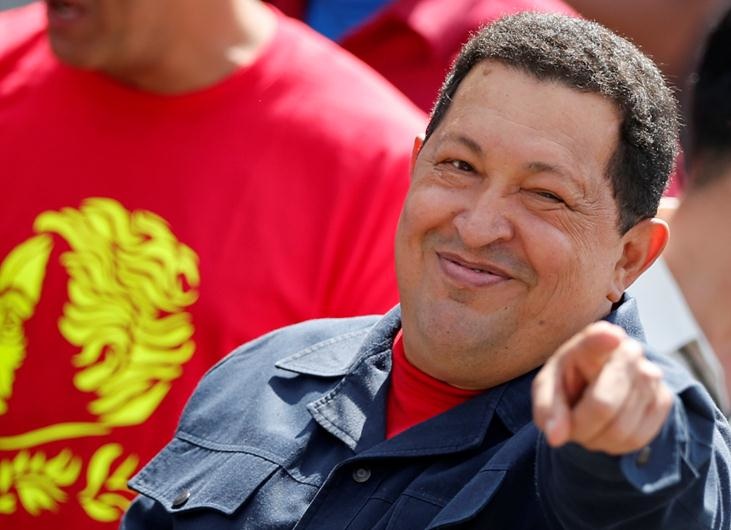
Fortunately for the GCC countries, they adopted the capitalist model, which contributed to an economic boom that was unprecedented in the region. Despite the key role played by oil in the period of sustained prosperity, it represented a complement rather than a substitute for capitalism. After all, there are several other countries—inside and outside the Middle East—endowed with huge amounts of natural resources, including oil, but which suffer from poverty and economic backwardness due to their failure to embrace free markets, and their insistence upon economic centralization. During the 1980s, economic factors fueled the victory of the rightist, western bloc over its leftist adversary. The Chinese philosopher Confucius once said: “I hear and I forget; I see and I remember; I do and I understand.” During the twentieth century, several successive generations “saw” and “did” the socialist economic model, with its manifestly inferior economic performance compared to the capitalist alternative. In fact, even those who fervently supported communism on ideological grounds during the 1970s came to understand its fundamental flaws, and revised their opinions over the preferable way of organizing the economy. Arguably the most salient example of this was the countries of Eastern Europe, which sought refuge in capitalism after years of poverty, allowing their economies to flourish immediately. Over time, a new generation emerged that had neither “seen” nor “done” socialism. Consequently, we find that during the US presidential election campaign, Democrat candidate Bernie Sanders has put forward various socialist policies, and secured significant electrical support, most notably in the youth category that have “heard and forgotten”—using Confucius’ terminology—about the results of socialism and communism. Sanders’ policies remain hypothetical, and are unlikely to be implemented in light of Hillary Clinton securing the Democratic nomination. However, the Venezuelan people have plunged into communism, realizing the vision of their former leader, Hugo Chavez. The result has been a state of economic chaos, featuring the expected drawbacks of the leftist model, most prominently: high inflation, shortages of basic commodities, electricity blackouts, deteriorating security, and rampant corruption. What makes this case particularly frustrating is that Venezuela is a wealthy country: it possesses the world’s largest oil reserves, exceeding Saudi Arabia’s by 10%. Venezuela’s problems have undoubtedly been exacerbated by falling oil prices, but the current crisis is fundamentally caused by excessive economic centralization, which has resulted in the government instructing public sector workers to stay at home in an effort to save energy, and politicians threatening factory managers with arrest for the crime of “non-production”. I genuinely hope that the Venezuelan people can overcome these challenges; at the same time, we should carefully study the crisis to avoid repeating policy errors. The most important conclusion is the need to avoid socialist and communist policies in any way. Humans learned this lesson 25 years ago, but what is happening in Venezuela today—and what a large proportion of US voters are striving for—affirms that this lesson has been lost. Among the most dangerous pitfalls is the loss of flexibility and rationality in economic policies. The Venezuelan government is currently in a state of paralyzing denial, which was experienced by most of the socialist-communist regimes of the twentieth century. In particular, when a leftist policy appears to have adverse consequences, the government always concludes that the reason is insufficient commitment to the socialist/communist paradigm, and therefore doubles down on centralization. For example, when high inflation leads to shortages of goods, the government imposes price controls. When that leads to a black market and fails to solve the shortage, the government considers nationalization, with unjust compensation for the owners forced to sell. When the chaos in production persists, and corruption spreads, the government threatens “treasonous” and “non-cooperating” managers and workers with arrest—or worse. The government becomes incapable of diagnosing socialist/communist policies as being part of the problem, and consequently it cannot reform, until the economy collapses, taking the regime down with it. These steps are incredibly painful for the masses, especially the poor, who are—theoretically—supposed to be the largest beneficiary of the leftist program. Among the positive attributes of GCC economic planning thus far are the twin principles of flexibility and pragmatism. The GCC economic model has been changed several times, as and when necessary, as a result of a rational assessment of the economy’s needs, and of the likely effectiveness of the various policy options. For example, the Bahraini economy transited from dependence upon pearl-trading, to the oil boom, to Islamic banking, and, most recently, to becoming a host for foreign direct investment. Even Saudi Arabia—which is criticized globally due to its economic and social conservatism—is currently seriously considering developing a non-religious tourism sector; further, it hopes to open its doors to foreign investment, to provide workers with residence permits, and many other policies reflecting unprecedented openness. In summary, in many GCC ministries, key decision-making posts have lately been opened to the new generation in an effort to make use of their abilities and outside-the-box thinking. However, despite GCC millennials’ talents, their western counterparts have exhibited a dangerous flaw in their thinking: a fondness for socialist/communist policies, which is primarily the result of their not seeing first-hand the disasters witnessed by the peoples of the USSR and Eastern Europe during the twentieth century. It is tragic to see ordinary Venezuelans subjected to the errors that humans committed in the aftermath of WW2. One hopes that the present crisis is enough to convince those seriously proposing socialist and communist policies that such programs are doomed to failure. George Orwell presciently warned us about this in Animal Farm: “Do not imagine, comrades, that leadership is a pleasure!… No one believes more firmly than Comrade Napoleon that all animals are equal. He would be only too happy to let you make your decisions for yourselves. But sometimes you might make the wrong decisions, comrades, and then where should we be?
0 Comments
Leave a Reply. |
Omar Al-Ubaydli
This is where you can find all my articles, as well as some of my interviews and media mentions Archives
June 2020
Categories
All
|
 RSS Feed